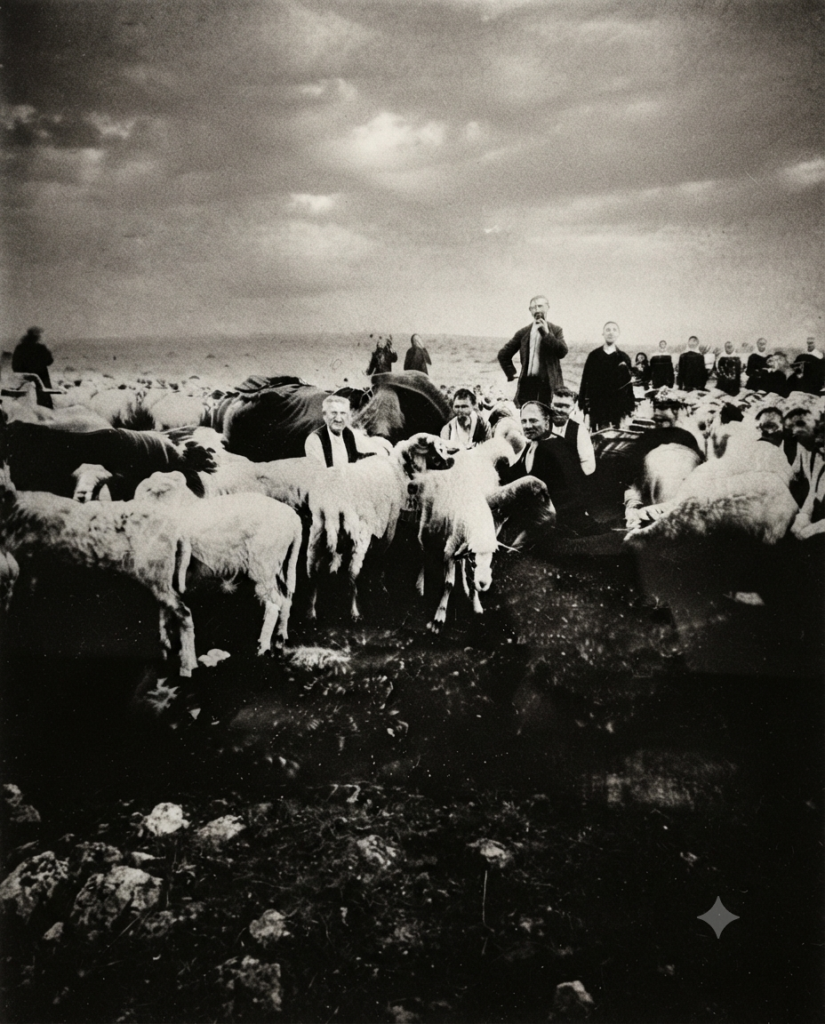
A hundred years is enough time for empires to rise and fall. Enough time for forests to grow and disappear. Enough time for a child to become a great-grandparent.
And yet, on these same slopes, every spring still begins with the first green shoots after winter.
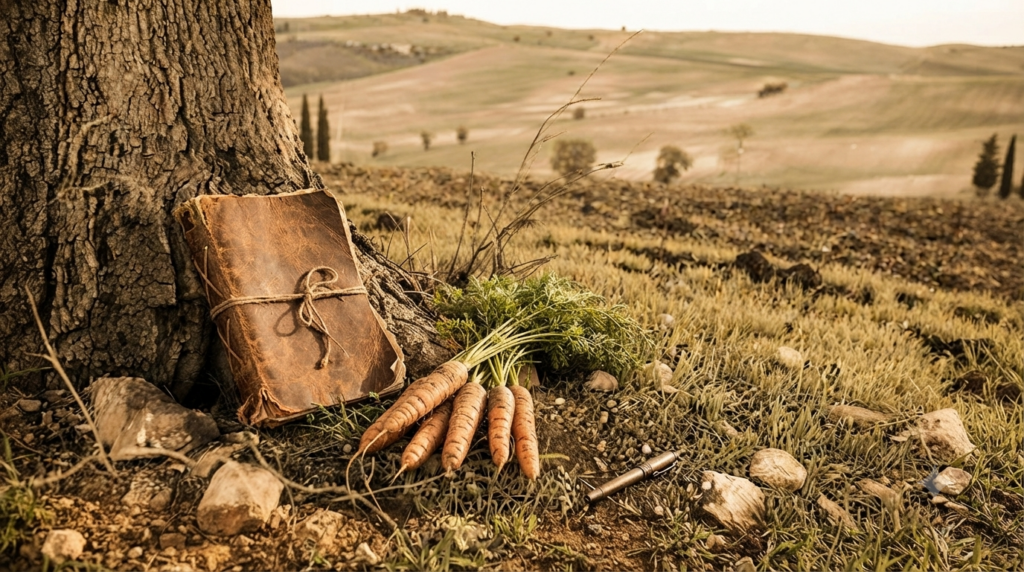
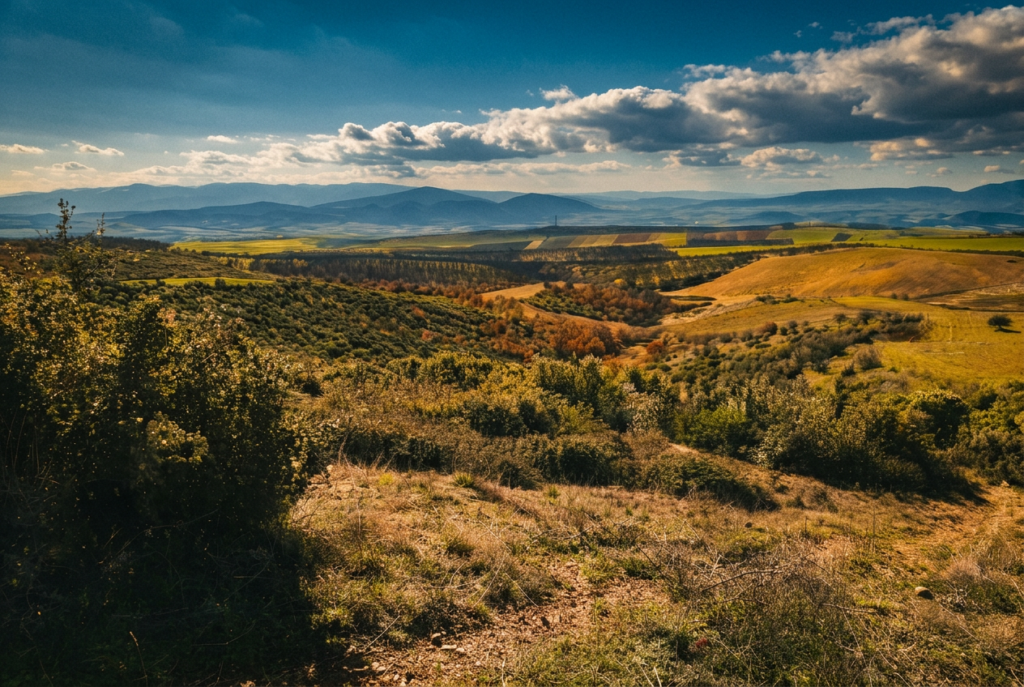
The history of our farm began more than a hundred years ago, on the sunny slopes of Thessaly.
What began as a family livelihood gradually became a relationship with a particular place — with its seasons, its winds, his difficulties and his gifts.
Over the years, a lot has changed. Farming methods evolved. Markets have changed. New features appeared, while others were lost.
And yet, some things remained constant.
The earth continued to set the pace.
Each season still begins with an observation: watching the weather, understanding the condition of the soil and following the evolution of the plants. Agriculture has always required planning, but it also requires humility. Nature rarely follows a man-made schedule.
People have changed. The tools have changed. Crops changed. Even the climate changed. The mountain itself remained the teacher.
Today, our work continues to be born from this relationship with the land.
We grow aromatic and medicinal plants in the highlands of Thessaly, where the altitude, the Mediterranean light and the special conditions of our place shape the character of each plant.
But cultivation is only part of the story.
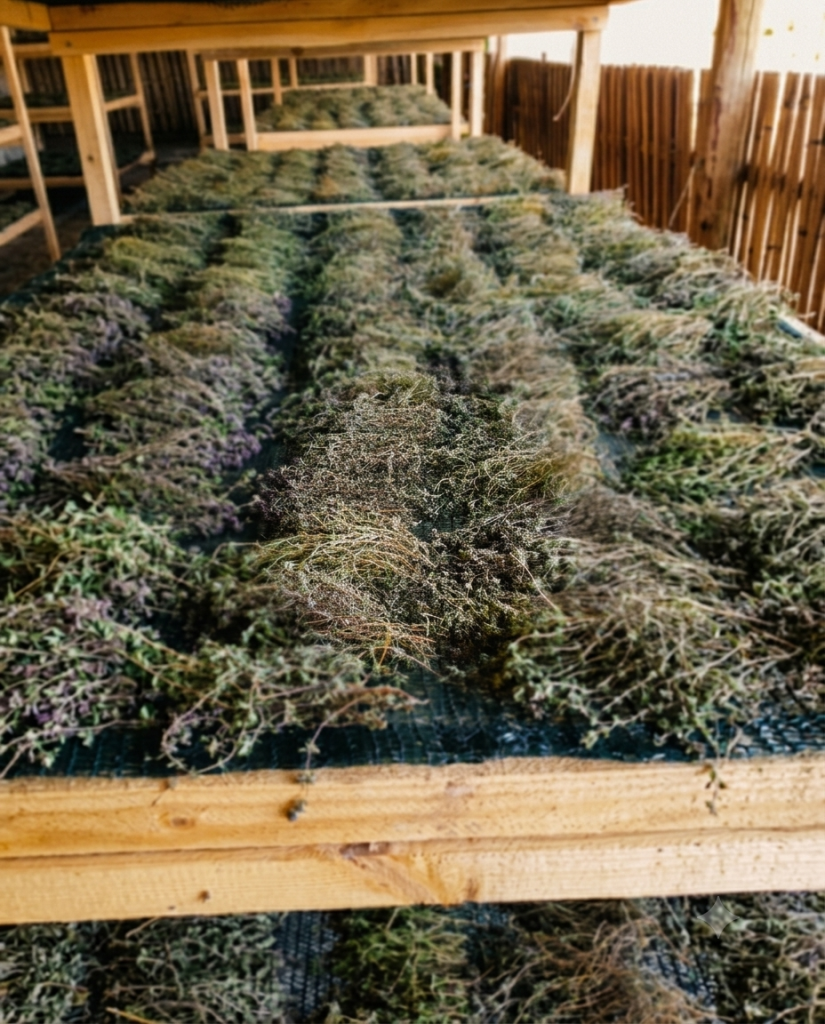
Harvesting is done with care and according to the needs of each plant. Later, the herbs go into a slower phase: natural drying. There, patience becomes as important as work.
The drying area is one of the quietest areas on the farm.
Bundles of herbs rest on wooden structures, as wind and time complete the work begun in the field.
Here we remember that quality often results from the limitation of intervention and not from its exaggeration.
The same principle extends beyond our herbal products.
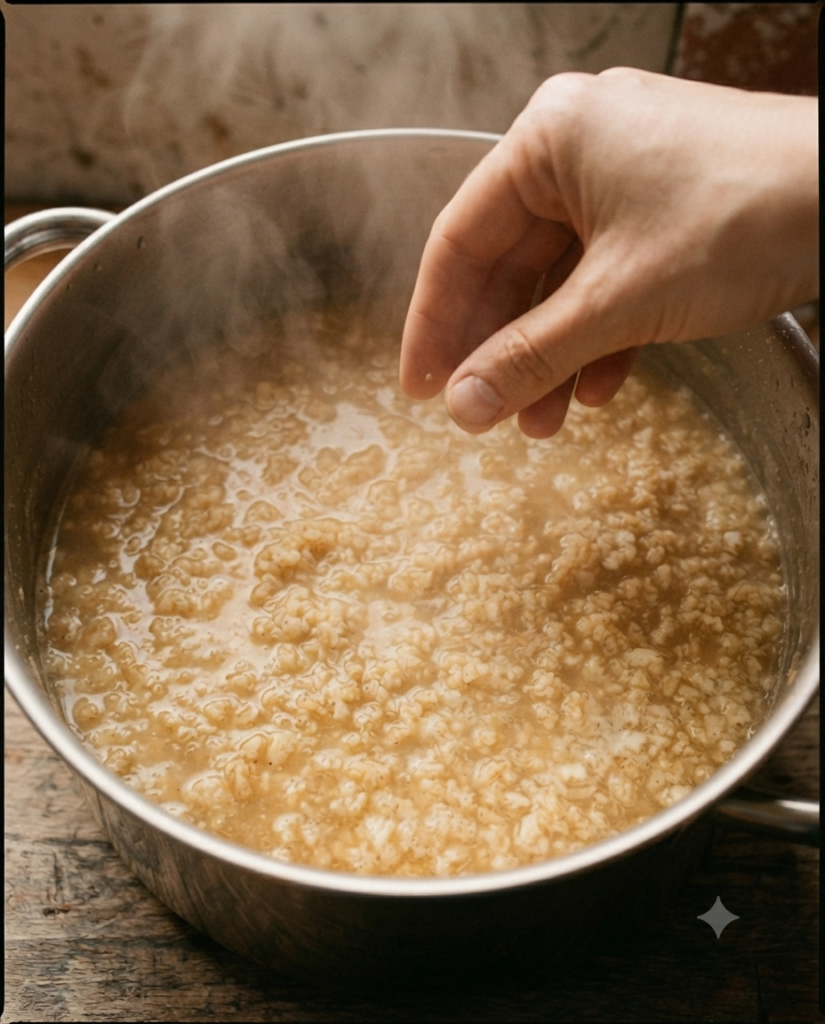
The farm land also gives us grain, legumes, flour and seasonal produce — foods formed from the soil, the weather and seasons in which they grow.
Some become daily supplies.
Others are transformed into foods and concoctions that take more of the farm beyond its fields.
Our herbs are made into herbal products and decoctions. Some are enjoyed simply as they are • others are combined into rituals designed for specific moments of the day and year.
Our supplies remain closer to their original form: cereals, legumes, flour and seasonal food belonging to the daily life of the farm.
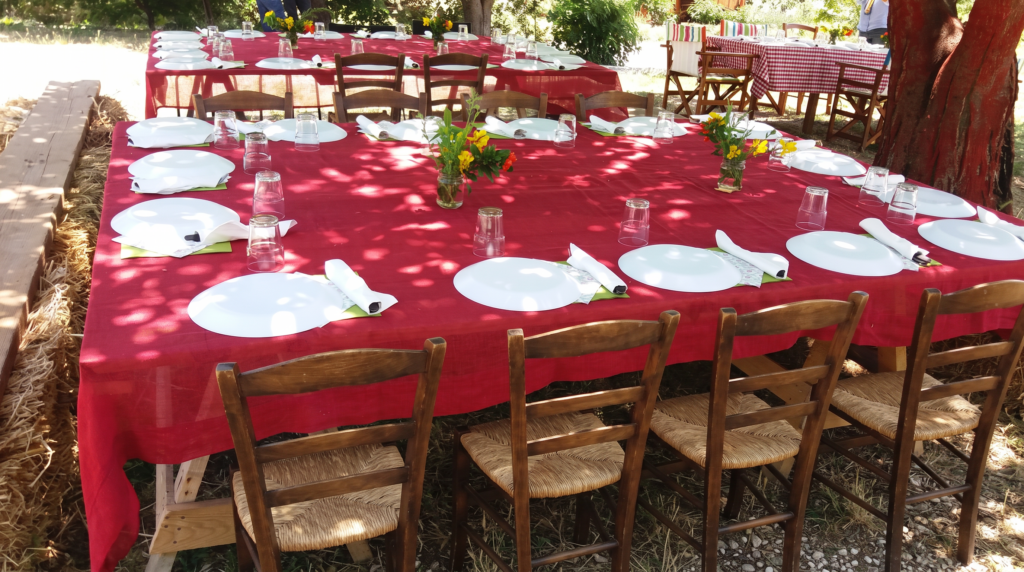
And more and more, we look for ways to share the farm itself — through food, the hospitality and experiences born from the place.
They are not separate activities, but different expressions of the same place.
Either someone opens a bundle of mountain tea, or prepares a simple meal with our flour, or cooking with our seasonal produce, or enjoying a brew, or sitting on the farm itself, hopefully he encounters something from the place where all of this comes from.
A sense of time. A sense of patience. A sense of place.
More than a century after the farm began, the earth is still teaching us how to work with it and not just on it.